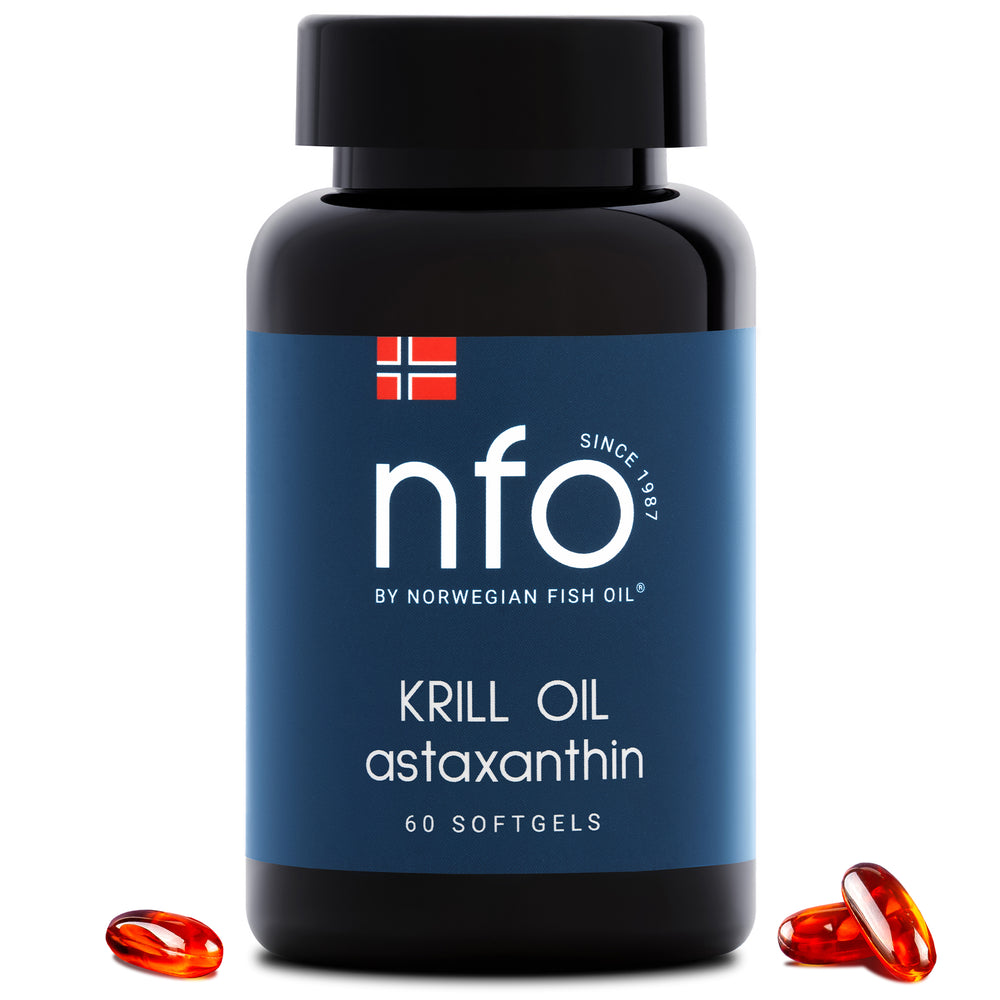
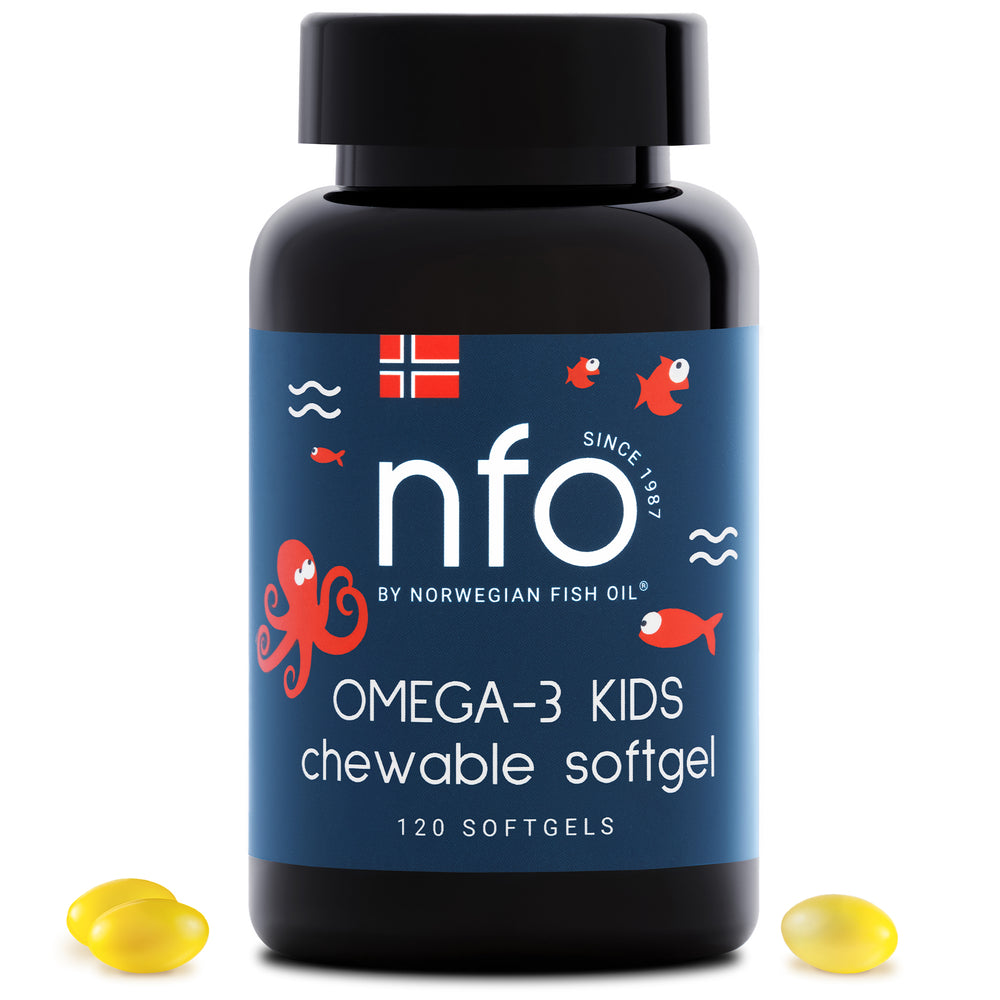
If you are shopping for omega-3 supplements, you have probably seen glossy bottles promising “triple-" or even "quadruple strength” for a bargain price. However, most of those products do not deliver real health benefits – they just brag about high milligram counts. The only thing that really matters is your Omega-3 Index (the percentage of EPA+DHA in your red blood cells), which is strongly linked to heart and brain health. Scientists agree that an Omega-3 Index of around 8% is the “ideal” level for cardiovascular protection. Yet surveys show that 75–80% of people fall below that target.
In other words, most generic fish oil pills on the market do not actually raise your Omega-3 Index to protective levels.
Even worse, low Omega-3 levels carry cognitive and long-term risks. Studies find that chronically low blood EPA/DHA is linked not only to heart problems but also to poorer cognitive performance and mood. For example, children and teens with lipid disorders showed big gains in attention and focus when given a clinically tested omega-3 formula – but only when their Omega-3 Index was raised above 8%. This makes sense: the Omega-3 Index is a well-established biomarker for both cardiovascular and brain health.
Why most cheap omega-3s miss the mark
Cheap, overhyped fish oils often sell the idea of more is better, but the label lies. Marketers use buzzwords like “triple strength” or “1,040 mg Omega-3” (as if you needed an exact number). They brag about sourcing (e.g. “single-source Alaskan pollock”) or certifications (MSC, IFOS, etc.), but those do not tell you if the product will move the needle on your Omega-3 Index. In reality, commodity fish oils are just bulk seafood oils stuffed into capsules. Their generic ethyl-ester formulas have no guaranteed bioavailability or proven outcomes.
- High-dose labels are misleading: A cheap brand might sell a “quad-strength” pill, but without a clinical trial it’s just hype. They focus on milligrams of oil, not results.
- No human trials: Rarely will you find independent studies on budget supplements. Without data, you have no proof it actually lowers your cholesterol or boosts your Omega-3 Index.
- Impurities and oxidation: Lower-cost oils often skip rigorous testing. They can be rancid or contaminated, which destroys efficacy and causes fishy burps. Most cheap fish oils do not publish batch lab results or certify low oxidation.
In short, 95% of off-the-shelf Omega-3 products are “throwaway supplements” that do not produce measurable health changes.
NFO: a clinically-tested omega-3 innovation
Enter NFO (Norwegian Fish Oil) – a next-generation omega-3 supplement brand built around science and purpose. Unlike generic pills, NFO is engineered for human biology: every formula is tailored to a specific use case (e.g. daily support, sensitive digestion, critical deficiency). Most importantly, NFO is clinically proven to raise the Omega-3 Index – the only true measure of omega-3 effectiveness.
NFO’s claims are backed by human trials. For example, a 90-day randomized study in 60 athletes showed pharmaceutical-level benefits from taking NFO: total cholesterol fell 9.8%, LDL (bad) cholesterol fell 17%, HDL (good) cholesterol rose 22%, and triglycerides fell 13%, all with no side effects. (Control subjects on no omega-3 saw no changes.) These results are on par with what one would expect from prescription drugs – yet NFO achieved them with a natural supplement. By contrast, no cheap fish oil product has demonstrated such clear outcomes in a clinical trial.
NFO also demonstrated dramatic improvements in Omega-3 status and recovery in those athletes. At the start, 18% of participants had dangerously low Omega-3 Index (<8%); after 3 months on NFO, zero athletes remained in that high-risk zone. The supplement sped up exercise recovery (less muscle soreness, faster rebound) and reduced inflammation markers during intense training. Users even experienced improved oxygen saturation, indicating less exercise-induced stress. In plain terms, NFO didn’t just raise blood omega-3 levels – it translated into noticeable gains in stamina, focus, and resilience (and users report feeling these benefits as mental clarity or joint comfort).
Quality, purity and transparency matter
The difference is not just in marketing – it’s in formulation and quality control. NFO sources premium-grade marine oils and goes beyond industry standards. Every batch is lab-tested for heavy metals, oxidation (TOTOX) and purity, with results published openly. For example, NFO guarantees a TOTOX <26, meaning the oil is fresh and not oxidized. NFO use a mix of forms – ethyl esters (EE), natural triglycerides (nTG), re-esterified triglycerides (rTG), and phospholipids (krill) – to maximize absorption for each product’s purpose.
By contrast, cheap supplements seldom disclose their lab data. There is no easy way for you to verify their EPA/DHA content, oxidation level, or contamination. A generic Amazon fish oil could be old or impure, yet it might still boast an “IFOS certified” badge that only checks basic standards.
“Forget alphabet-soup certifications. We give you the numbers that actually matter.”
In practice, that means you can trust what you see: clear label of active EPA/DHA, plus a Certificate of Analysis available for each batch. This transparency ensures you are getting what the label promises – not just a high dose of cheap oil.
“Do not get left behind – fish oil sold like it is 1995 does not cut it in 2025.” – cheap omega-3 products are essentially 1990s-style supplements – big pills with big numbers but no science. We encourage you to do the 2025 thing: look beyond the label, check for clinical proof, and demand verifiable results.
Comparison: NFO vs typical cheap fish oil
| Metric | NFO (Clinically-Tested) | Typical cheap fish oil |
|---|---|---|
| Omega-3 Index Impact | Proven to raise Omega-3 Index into the protective ≥8% range. | Usually fails to move the needle on Omega-3 Index. |
| Clinical Evidence | Backed by peer-reviewed trials: e.g. 60-person study with LDL↓17%, HDL↑22% in 90 days. | Little to no published human trials; relies on general nutrition guidelines. |
| Formulation | Engineered forms (EE, rTG, nTG, PL) tailored for absorption and specific use-cases. | Often one-size-fits-all EE only, with generic pollock or mixed fish oil. |
| Bioavailability | Uses high-purity, fresh oils and optimized forms (e.g. re-esterified TG) to maximize uptake. | Lower absorption; stale or oxidized oils reduce efficacy (often untested). |
| Purity & Testing | Each batch batch-tested for heavy metals, oxidation and fatty acid profile, with results published. | Minimal quality checks; rancidity and contaminants often unknown to buyer. |
| User Outcomes | Users report noticeable benefits: improved focus, stamina, faster recovery. | Experiences vary; common side effects like fishy aftertaste or no effect. |
The takeaway: upgrade your omega-3
When it comes to omega-3 supplements, science matters more than price or pill size. Don’t be fooled by cheap “quad-strength” fish oils – they may save money upfront but deliver little benefit. Instead, choose a product designed and tested to work in your body. NFO Omega-3 is formulated to hit your biological targets (raising the Omega-3 Index above 8%) and its claims are backed by real human data. Upgrading to a clinically-proven omega-3 can mean better heart metrics, less inflammation, quicker recovery, and even cognitive gains.
Key Takeaways:
- The only way to know if a fish oil really works is its effect on your Omega-3 Index and health outcomes. Most cheap supplements do not demonstrate this.
- NFO Omega-3 is purpose-built and scientifically validated: it raises Omega-3 Index levels, improves cholesterol and triglycerides, and supports recovery.
- NFO uses transparent lab testing (EPA/DHA content, TOTOX, heavy metals) and a mix of advanced oil forms for maximum absorption. Generic oils rarely offer this.
- Ultimately, investing in a clinically-backed formula means investing in real health gains – and enjoying the peace of mind that your supplement actually works.
Choose smart: read labels carefully, look for clinical evidence, and remember that quality > quantity when it comes to omega-3.
References: Information and data in this article are drawn from NFO Omega-3 product literature and related clinical studies, as well as key facts about the Omega-3 Index and health. These sources provide the scientific backing for the claims above.